No More Room in Hell 2 Review
Who this co-op horror is for—and who should wait.
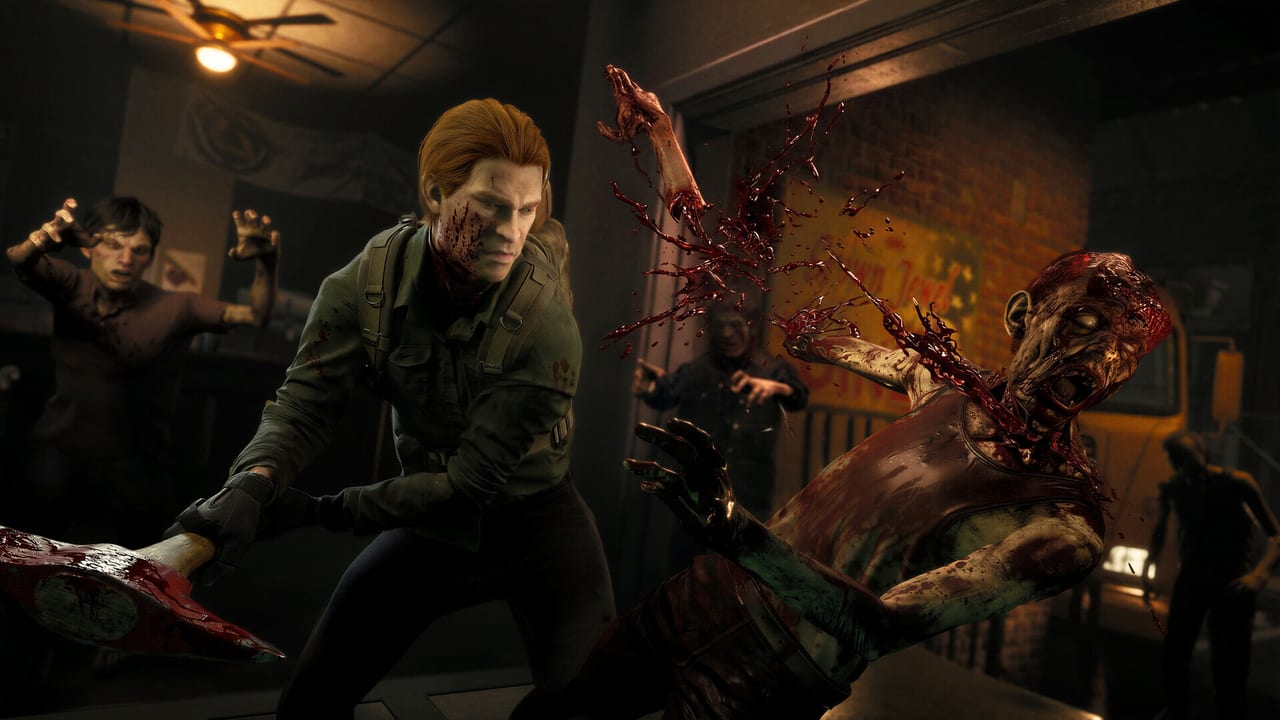
No More Room in Hell 2 is easiest to review as a social survival machine. When seven other Responders listen, share ammo, and treat extraction as the win condition, the game delivers tense Northeast-outbreak fantasy that few mainstream shooters still chase. When lobbies mute themselves and treat permadeath like a tutorial inconvenience, the same systems feel cruel and unfinished. Both experiences are “real,” which is why Steam reception around launch and Early Access has often read as Mixed rather than a simple love letter or a simple rejection.
This page stays qualitative on purpose. Scores move with review bombs, sale periods, and console influxes. What does not move as quickly is the design contract: online eight-player co-op, cross-play after the August 11, 2026 Armageddon 1.0 launch, infection pressure, and Responders who can lose everything.
What the game does exceptionally well
Co-op identity. Proximity voice, scarce resources, and reactive hordes make teamwork feel necessary instead of decorative. A good squad invents jobs on the fly—navigator, rear security, mule, objective hands—without a rigid hero roster.
Fear with agency. The best rounds are not jump-scare compilations. They are quiet routes that collapse because someone reloaded loudly, ignored a screamer, or greed-looted past the safe leave timer. That authored tension is the spiritual sequel energy fans wanted.
Mode variety at 1.0. Scenario’s objective-and-extract loop and Survival’s wave-defense fantasy scratch different itches. Players who bounce off one mode often thrive in the other once they stop forcing the wrong habits.
Long-term stakes. Character skills matter because they can vanish. That risk creates stories public lobbies still talk about after the client closes.
Where frustration comes from
Public lobby variance. Cross-play widens the player pool. That is good for queue times and rough for standards. A Hard lobby that refuses compass checks will punish veterans and newcomers alike.
Learning tax. Infection, sound attraction, and extraction discipline are not optional side systems. Players coming from respawn-heavy extraction shooters may interpret the learning tax as “jank” when it is often unfinished homework.
Progression anxiety. Account unlocks and Responder builds are powerful when understood and miserable when a main dies to avoidable chaos. Solo practice helps map knowledge, but it is not a full substitute for online progression.
Technical expectations. PC owners should verify System Requirements and accept Easy Anti-Cheat as part of the install. Performance dips in dense fights are more than cosmetic when melee timing decides infection checks.
Mixed reception without score worship
Expect community sentiment to stay polarized: glowing reports from coordinated friends lists beside sharp criticism from players who wanted faster progression, softer death penalties, or smoother random-match social tools. In the days after 1.0, recent Steam reviews sat around Mostly Positive while the overall English pile remained Mixed—a typical launch-sale split, not a magic verdict. The same window saw a first-week Steam concurrent peak around 15,000 and a PlayStation Store user average around 4.2/5 from more than 1,500 ratings: console newcomers and sale traffic, not a substitute for whether your squad communicates. Reading that spread as “the game is both excellent and unfinished depending on your group” is more accurate than hunting a single number that settles the argument.
If you are buying for a friend group that already communicates well, the recommendation is strong. If you are buying to solo-queue forever and never read a guide, temper the hype.
Verdict-style guidance
Buy it if you want punishing co-op horror with meaningful character risk and you have people to play with—or the patience to build those habits. Wait or wishlist if you need a polished single-player campaign, permanent hero builds, or low-friction public matchmaking as your primary mode.
Before your first serious night, complete Getting Started, skim the Armageddon Update, and agree on difficulty out loud. The review’s real score is whether your squad leaves the helicopter laughing or silent.
One more practical note: evaluate the game across two sessions, not one. The first night often includes installer friction, bind confusion, and a chaotic public lobby. The second night—with compass habits, shove timing, and a difficulty you actually chose—shows the fantasy the systems were built for. If session two still feels empty, the game may simply not be your genre. If session two suddenly clicks, you will understand why dedicated squads stay through Mixed-review noise and keep extracting supplies together.
Frequently Asked Questions
Quick answers for Responders preparing for the next deployment.
Is No More Room in Hell 2 worth buying at 1.0?
Yes for coordinated co-op fans who accept permadeath. It is a harder sell for players seeking casual respawn shooters or solo-only campaigns.
Why do reviews feel split?
The same systems feel brilliant with communication and brutal without it. Mixed reception often reflects lobby quality as much as raw features.
Does cross-play change the review?
It improves party flexibility and widens skill variance. Set difficulty and role expectations before you deploy.
What should I do before my first paid weekend?
Check system requirements, finish Getting Started, and run safer difficulties before staking a prized Responder.
Is this an official review?
No. This is unofficial wiki editorial framing meant to set expectations, not a substitute for playing a match yourself.