No More Room in Hell 2 Infected Types
Identify threats fast—speed, screams, and crawlers all end Responders differently.
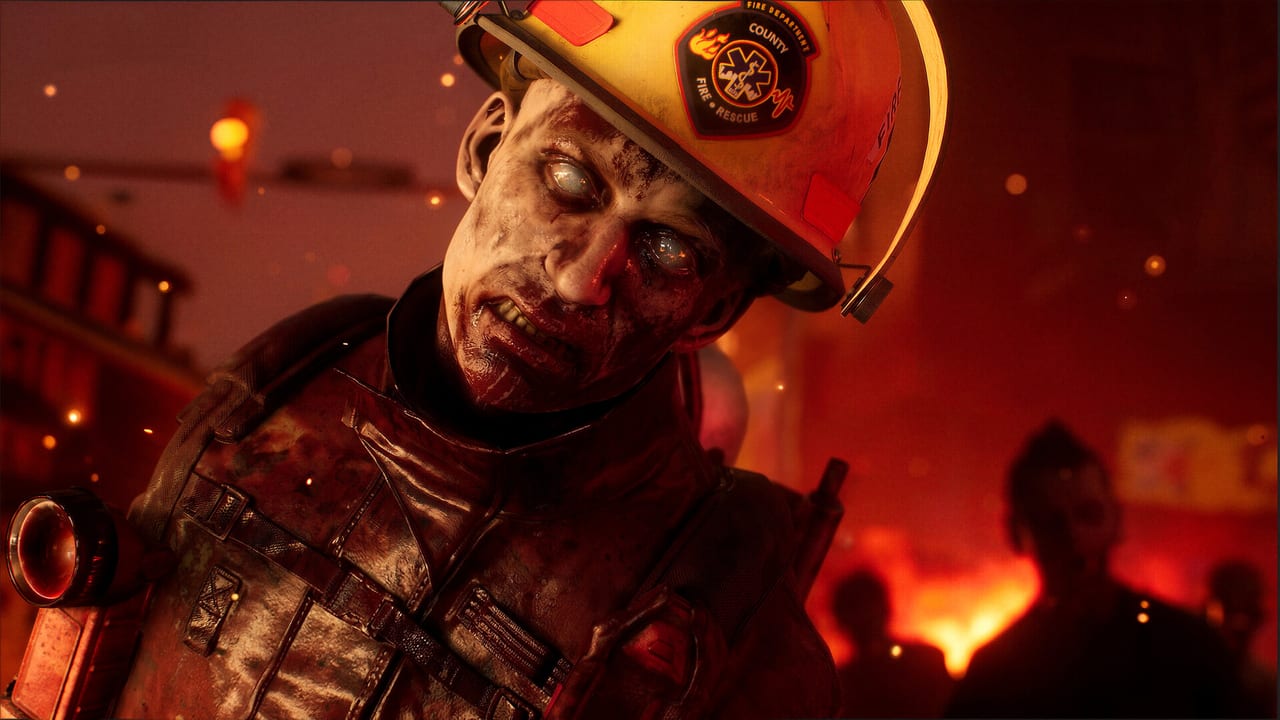
The horde in No More Room in Hell 2 is not a single enemy with different skins. Multiple infected archetypes force different answers, and the reactive audio system means a bad fight in one room can invite three more. Learn priorities early so your Responder’s skills and ammo last through extraction.
The core archetypes
Runners
Runners are the fresh, fast threat. They close distance before timid players finish a reload animation and turn minor noise events into emergencies. If a runner is committed to you, stop admiring loot and solve the problem: shove space, precise head trauma, or a teammate crossfire. Ignoring runners to finish a walker swing is a classic wipe starter.
Prime or armored runner variants raise the stakes further when present. Treat anything that sprints like a fire alarm—call it, face it, finish it.
Walkers
Walkers are the classic Romero-style pressure. Alone they are manageable. In groups they create grab chains, stamina drain, and tunnel vision. Walkers teach pacing: melee when the angle is clean, shoot when the hallway is about to seal, and never reload with two hands of undead already touching your model.
Shamblers / screamers
Shamblers look weak because they are slow. They are not weak. Their escalation kit—screams, infection gas clouds, and the ability to turn a quiet street into a convention—makes them high-priority targets. If a shambler begins a scream cycle, interrupt it. Letting multiple screams complete is how “we were fine” becomes “why are there thirty runners?”
Gas and contamination effects raise infection probability for nearby Responders and can coat other infected. That links directly to How to Treat Infection. A shambler left alive behind your push is a delayed squad wipe.
Crawlers
Crawlers are often created by incomplete dismemberment rather than spawning as a friendly “downed” state. Losing legs does not equal safety. Low-profile infected eat ankles during reloads and hide in cluttered interiors. Sweep floors with intentional aim after every messy melee fight. Runner-origin crawlers can remain deceptively threatening until fully neutralized.
Sound attraction and the reactive horde
The dead retain senses. Gunfire, sprinting, breaking glass, screaming teammates, and prolonged fights raise local attention. This is why suppressors, melee discipline, and route planning beat highlight-reel full-auto sprays.
Sound rules of thumb:
- If you do not need to shoot, do not shoot.
- If you must shoot, finish the engagement quickly and relocate.
- Call out screamers before they finish their performance.
- Do not celebrate loudly next to uncleared rooms.
Survival mode intensifies these lessons because speakers intentionally bait waves. Scenario mode intensifies them during objective spikes when the map itself turns the volume up. In both cases, the player who understands infected types wastes less ammo and dies less to “random” swarms that were actually invited.
Combat tips that save Responders
- Priority order in mixed packs: screaming escalators and runners first, then dense walkers, then cleanup crawlers.
- Shove is a survival tool, not an emote. Use it to break grabs before infection checks ruin your night.
- Head focus matters, but so does leg control when you need to create crawlers intentionally and finish them immediately.
- Utility beats ego. Molotovs, bombs, and chokepoints exist so eight players do not each try to be an action hero.
- Share lanes. Two players dumping into the same runner while a shambler screams behind them is bad geometry.
Weapon choice should follow the job. Quiet melee and careful firearms shine in stealth routes; crowd-control tools shine when the horde is already coming. For loadout planning after you know the enemy cast, browse the Weapons Tier List and study routes in Maps & Objectives.
Training plan
Spend a few matches calling infected types out loud. If your lobby cannot name what is killing them, they cannot prioritize. Combine that habit with infection treatment knowledge and extraction discipline, and your Responders will last long enough for skills to matter.
Patches can retune scream timing, spawn density, or dismemberment rules. Revisit this page after major updates so your callouts match the live build, not last month’s assumptions.
Frequently Asked Questions
Quick answers for Responders preparing for the next deployment.
Which infected should I kill first?
Interrupt screamers and delete runners before they collapse your spacing, then clear walkers and finish crawlers on the floor.
Are shamblers dangerous if they are slow?
Yes. Their screams and infection gas can escalate a quiet area into a failed mission.
Do crawlers stop being a threat after I cut legs?
No. Dismemberment changes movement; it does not guarantee safety until the infected is fully neutralized.
Why did shooting one zombie spawn a crowd?
The horde reacts to sound. Prolonged gunfire and unfinished screamers invite reinforcements.
Where should I go after learning types?
Study infection treatment, weapon tiers, and map routes so your priorities turn into surviving extractions.