No More Room in Hell 2 Difficulty Modes
Match Scenario and Survival challenge to your squad’s risk tolerance.
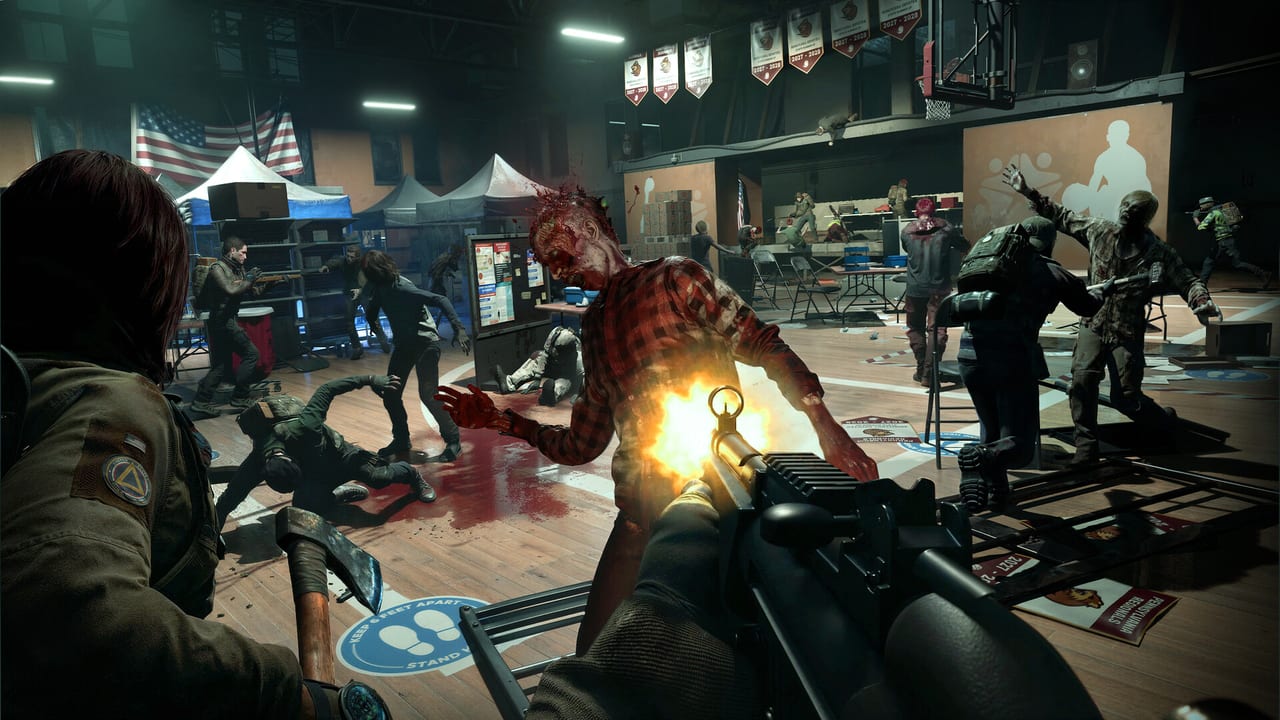
Difficulty in No More Room in Hell 2 is not a cosmetic slider. It changes how forgiving respawns feel, how scarce resources become, and how quickly a mistake turns into permadeath. The Armageddon 1.0 update overhauled the ladder so new Responders can learn without immediately deleting characters, while veterans still have Hard and Nightmare peaks that punish greed.
Community shorthand still says “Classic / Hard / Nightmare,” and that vocabulary is useful in lobbies. Officially, the 1.0 framing moves Casual into a Beginner lane and renames Classic toward a Normal experience, while Hard and Nightmare remain the serious ladders. Exact labels can shift in menus after hotfixes, so always read the in-game description before you ready up.
Beginner and Normal: learning the loop
Beginner is where new players should live for the first clean extractions. Expect more forgiving return-to-fight tools—timed respawn style support exists so squads can finish teaching objectives without every death ending the lesson. That does not mean infection or late-match chaos are free. Extraction can still threaten Responders, and bad habits formed here will fail later.
Normal (Classic-style framing) is the default adult difficulty for competent public lobbies. Respawn unlocks after a major objective. Character XP sits at 125%. Tighter resource pressure teaches real pacing: when to fight, when to mute footsteps, and when to abandon a side room full of shiny loot. If your squad can extract here while keeping most Responders alive, you are ready to study skills and maps more seriously.
New player checklist before leaving these tiers:
- Everyone can open the compass and state the current objective.
- Someone calls runners and screamers early.
- Supplies are shared instead of hoarded into one overweight Responder.
- Extraction is rehearsed, not improvised at zero stamina.
Pair this with Getting Started and only then invest deep Progression & Permadeath plans into a favorite character.
Hard: where permadeath starts feeling real
Hard is the first difficulty where many squads feel the full weight of Responder loss. Ammo finds can feel stingier, crowds punish noise faster, and “we will clutch it” becomes a graveyard motto. Queue Hard when your team already understands infection treatment, shove timing, and role splits—not when someone is still learning which button opens the compass.
Practical Hard rules:
- Assign a primary navigator and a rear security player.
- Ban unnecessary gunfire in quiet sectors.
- Spend utility on pathing, not ego duels.
- Leave if the lobby refuses to communicate.
Hard is also where account and character progression plans matter. Official 1.0 multipliers: Account XP 150%, Character XP 200%, Credits 150%. Do not take a highly invested Responder into a random Hard lobby that refuses voice chat.
Nightmare and Survival warnings
Nightmare is for veterans who accept wiped characters as tuition. Official 1.0 multipliers: Account XP 200%, Character XP 300%, Credits 200%. Expect more specials and Prime/Runner density, scripted objective scaling, and ammo that leans on emptying found guns. Nameplates now show at close range. If your group is still arguing about basic bind names, you are not ready.
Survival amplifies difficulty philosophy. Wave defense around speakers, trap usage, and timed holds create different failure modes than Scenario’s objective chain. A team that clears Normal Scenario can still fold on Survival if nobody watches flanks or resets after a failed wave. Read Survival Mode before you treat Survival Nightmare as a meme queue.
Survival-specific warnings:
- Failed waves accelerate disaster; know when early extraction is the smart call.
- Sound discipline matters even more when speakers are actively baiting the dead.
- Solo practice can teach layouts, but online eight-player chaos is the real exam.
- Do not bring your only leveled Responder to a first Survival Nightmare attempt.
How to climb without wasting weeks of XP
Climb one step at a time. Clear Beginner until compass and extraction are automatic. Clear Normal until your squad’s wipe rate is rare. Touch Hard with expendable Responders or carefully protected mains. Touch Nightmare only when the whole lobby opts in with eyes open.
If you are optimizing long-term growth, study how account XP and character XP interact on the progression page, then return here when a patch retunes difficulty. Difficulty is a social contract as much as a menu setting—announce it in chat, confirm it on the ready screen, and leave if the lobby bait-and-switches.
When your challenge tier is set, continue into mode guides and progression planning so the risk you chose actually pays off in skills and cleaner extractions.
Frequently Asked Questions
Quick answers for Responders preparing for the next deployment.
What difficulty should brand-new players choose?
Start on Beginner, then move to Normal once compass use, shoving, and extraction feel automatic.
Is Classic still a difficulty name?
Community chat still says Classic, but 1.0 framing leans toward Normal for that middle lane. Always confirm the in-game label before queuing.
When should we try Hard?
After consistent Normal extractions with communication. Hard is where permadeath mistakes become expensive.
Why is Survival Nightmare so punishing?
Wave pressure, speaker defense, and failed-wave spirals stack with Nightmare scarcity. Learn Survival on lower tiers first.
Does difficulty affect progression value?
Higher risk can mean better learning and loot pacing for prepared squads, but dead Responders lose character progress. Climb only when the squad is ready.